He Waka Tapu: Welcome Home
“Are you a hugger?” Linda, Event Coordinator at He Waka Tapu (HWT) asked me when we met. It’s not a question I’m often asked when going into to meet and observe one of our food groups. But who doesn’t need more hugs?
There was no formality to it, no sense of standing on the outside looking in. It was warm, immediate, and completely natural, the kind of welcome that tells you, before a single word is spoken, that you’re part of the family.
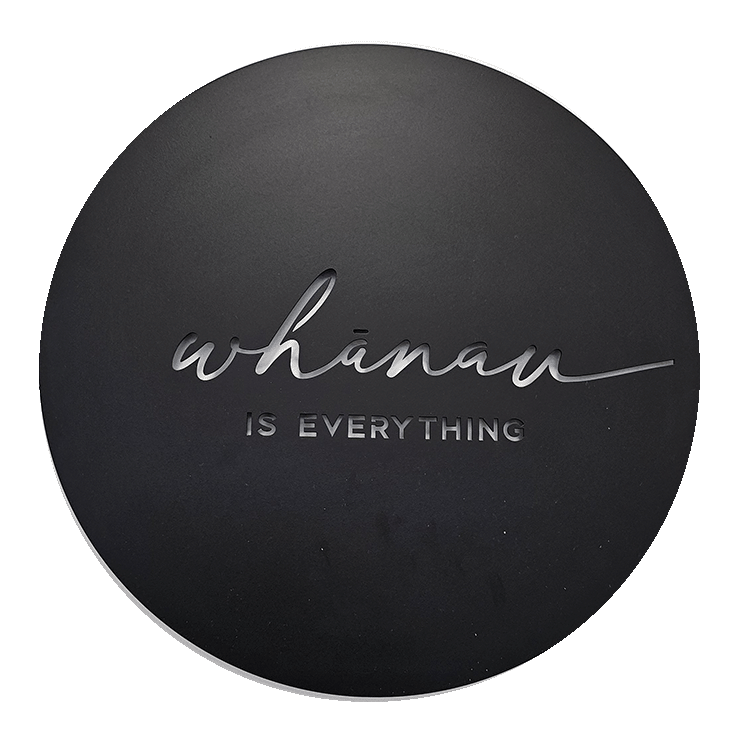
At HWT, whānau isn’t just a slogan on the wall. It’s the way they do the mahi.
Stepping in, not standing back
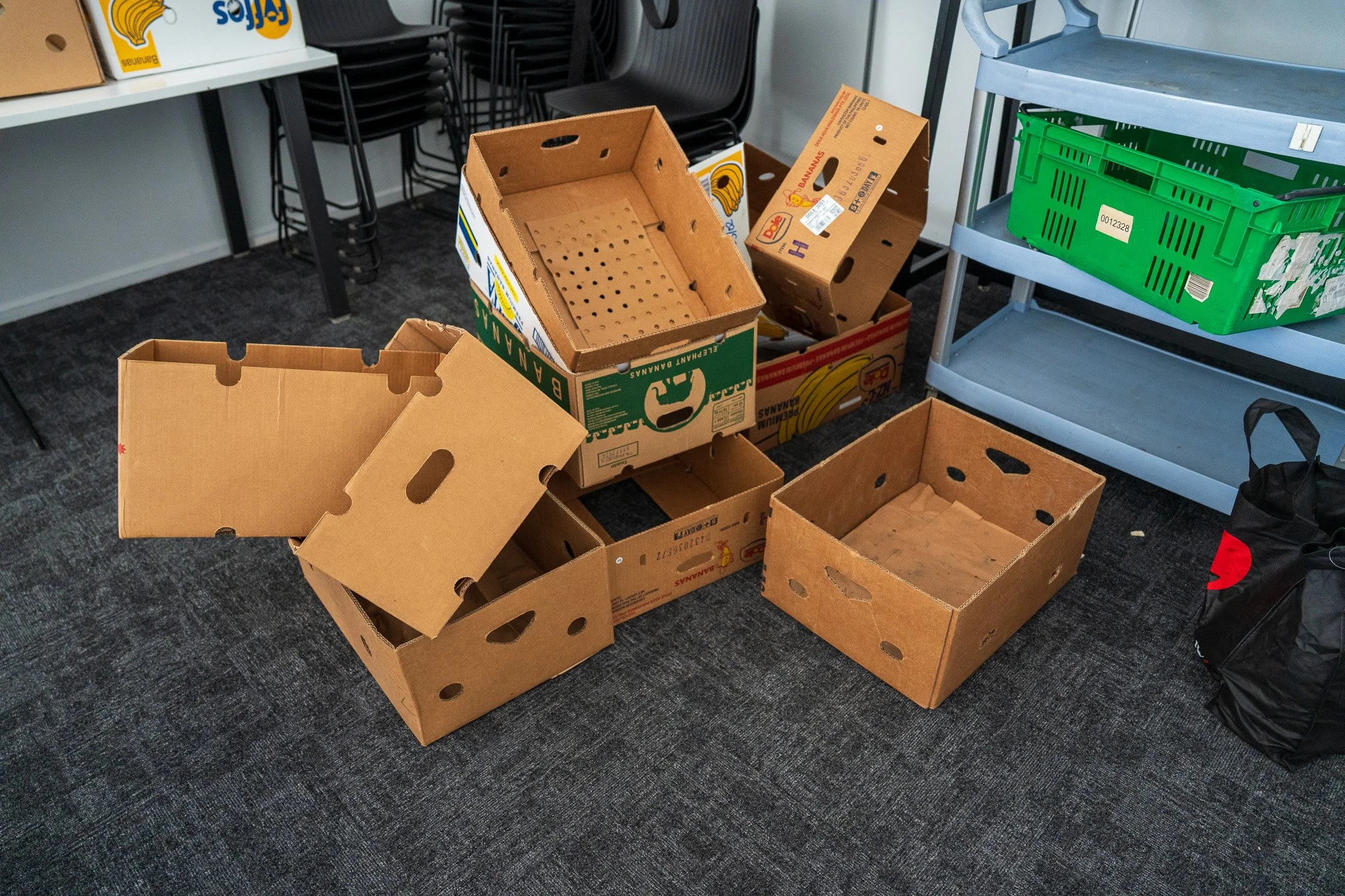
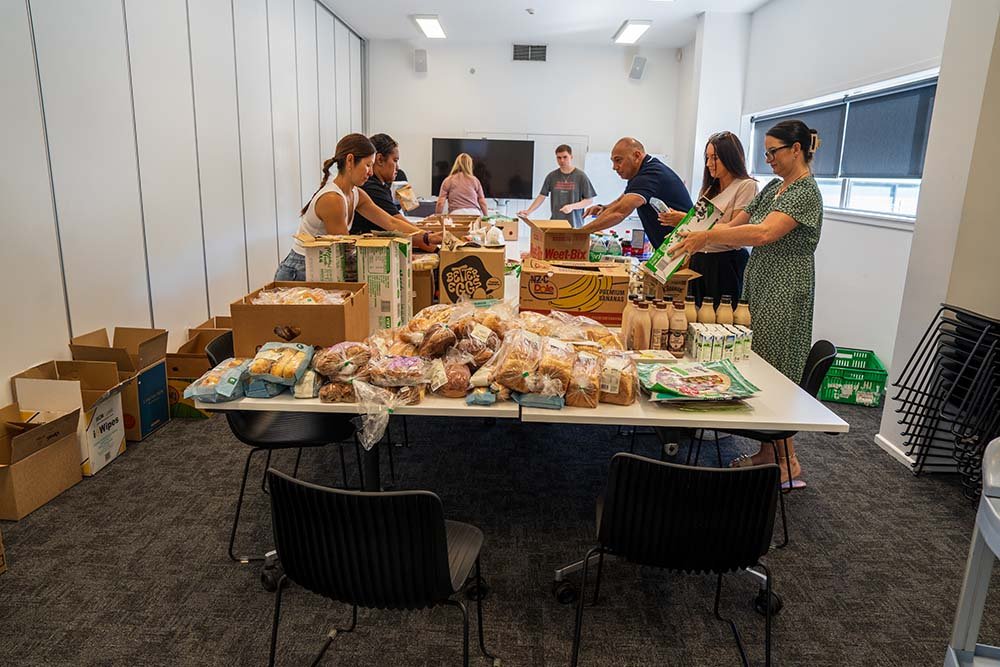
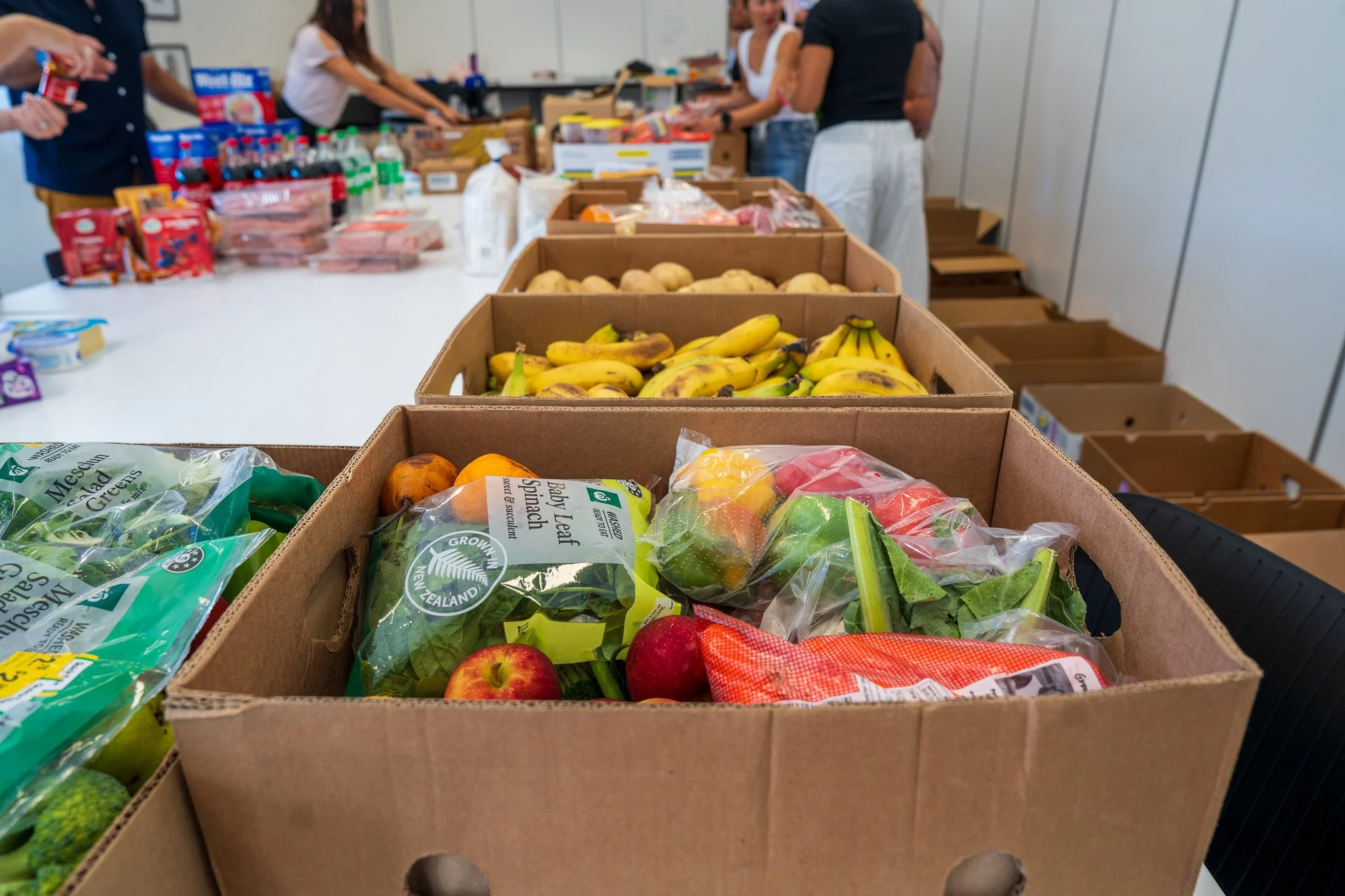
It was Wednesday morning when I arrived, the day the team packs food from Kairos into chilly bags and boxes for their program recipients. Parcels are packed by their various outreach teams on a rotating schedule. On that morning, they were a little short-handed as the team were still off-site with other responsibilities. Linda rather breathlessly apologised for not being able to give me her full attention because she was needed to help pack. There was only one thing to do – I donned a pair of gloves and pitched in.
And just like that, I wasn’t observing anymore. I was part of it.
The team grew as the rostered staff returned and a few others showed up to help. Food from Kairos was distributed among a line-up of boxes and Woolworths’ chilly bags. Each parcel was numbered by family so that the team would be able to follow up and ensure people are being supported in the right way.
The rhythm of a place that feels like home
All around us, life was unfolding in that easy, overlapping way it does in spaces that feel safe and familiar.
Delicious smells wafted in from the kitchen, where staff were preparing food both for the café and for the various programs that HWT offer. A back room was full of kids, watching TV, sitting at tables as they read or drew pictures. These were staff children on school holidays, completely at ease in the background of the day’s work. In the café and lobby area, conversations flowed over coffee and hot scones.
Papa D’s Café, named after founder Daryl “Papa D” Gregory, started out in the back of a car, a small beginning that speaks volumes about the heart of this organisation. Today, it’s a central part of the HWT site, serving affordable, nourishing kai and acting as a hub for connection.
HWT grows some of its own kai on the surrounding land. People also bring in produce to share. Food moves through the space not just as something given, but as something collectively contributed to.
That matters.
It shifts the story from one of charity to one of community where everyone has something to offer, and everyone has a place.
That sense of connection is woven through everything HWT does.
A kaupapa built on whānau wellbeing
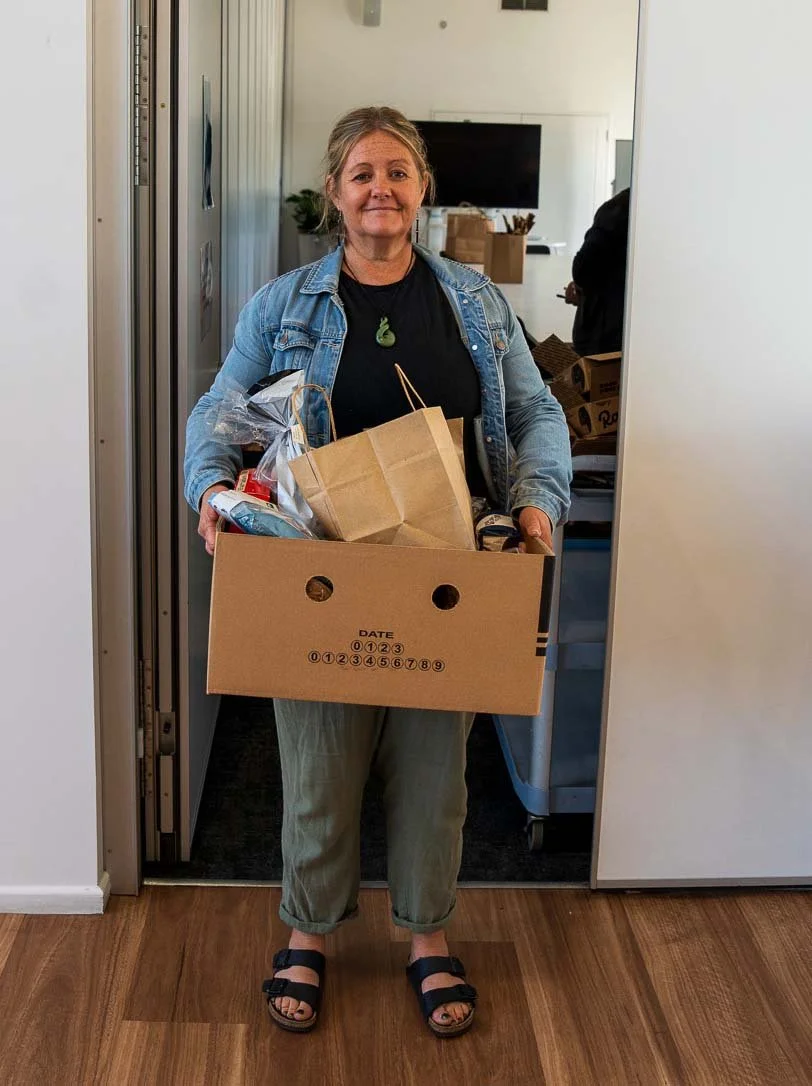
Founded in 1995, He Waka Tapu is approaching its 30th anniversary this year. What began as a grassroots response to community need has grown into a kaupapa Māori health and social services organisation supporting whānau across Canterbury.
At its core is a simple but powerful idea: that wellbeing is collective.
That shows up not just in their philosophy, but in how people access support. Some whānau are referred through other programmes or services. Others self-refer, walking through the door and sitting down for a kōrero about what’s going on in their lives. From there, the team works alongside them to find the right pathway forward.
It’s not transactional. It’s relational.
More than food: wraparound support for whānau
He Waka Tapu’s partnership with Kairos allows them to provide food relief where it’s needed, but it’s only one part of a much bigger picture.
HWT offers a wide range of services designed to support the whole person and their whānau. These include:
Health and wellbeing
“I believe that most people are like me. They want a good life. I knew that it wasn’t just about stopping violence or giving up alcohol and drugs, it was about giving people hope and so what we did is we used our Tikanga Māori and the values of that culture to help people identify what they really wanted out of life.
What was important? Was whanau important? Was children important? Did they want a better life?”
A medical centre providing accessible primary healthcare
Nursing and community health support
Rongoā Māori and mirimiri (traditional healing practices)
Women’s health services
Addiction and recovery support
Alcohol and other drug services
Residential and community-based recovery programmes
Reintegration support for people transitioning out of prison
Whānau and community support
Whānau violence prevention and intervention
Whānau navigation services to help people access the right support
Rangatahi-focused programmes
The 0800 HEY BRO helpline, supporting men in moments of crisis
Practical and social support
Affordable housing through Ahikā
A community gym promoting physical wellbeing
Needle exchange services
Food support and community kai initiatives
It’s this wraparound approach that makes HWT so impactful. Because often, the need for food is connected to something bigger. People who come into HWT don’t have to navigate that alone.
Looking ahead: 30 years and beyond
As HWT approaches its 30th anniversary, there’s a strong sense of looking forward as well as back. Plans are underway for new facilities that will house a 24-hour clinic, expanding their ability to support whānau whenever the need arises.
It feels like a natural next step for an organisation that has always met people where they are.
What whānau really looks like
For me, the biggest takeaway from the day wasn’t any single service or statistic.
It was the feeling of being part of something wonderful.
A hug at the door.
The easy sense of community.
The quiet efficiency of people working together.
Whānau, here, is not abstract. It’s practical. It’s visible. It’s something you can step into.
I went in expecting to observe. Instead, I found myself part of the family.
To learn more about He Waka Tapu and their services, visit www.hewakatapu.org.nz.